

A few years ago, while training natural language processing (NLP) models for conversational user interfaces, I spent weeks analyzing anonymized chat logs. The pattern was staggering: highly sophisticated matchmaking algorithms would successfully pair two people with deep, underlying compatibilities, only for the entire interaction to die immediately after someone typed, "Hey." Blur’s newly deployed NLP-Powered Chat Assistant directly solves this "blank screen" problem by analyzing mutual profile intent to generate personalized, context-aware conversation starters, bridging the crucial gap between a visual match and an actual conversation. If you want to stop staring at a blinking cursor and start building genuine rapport on dating apps for adults, Blur's dynamic chat prompts are designed exactly for that.
As a software developer who builds these conversational experiences, I have a clear stance on the role of technology in romance: AI should never talk for you, but it should absolutely remove the friction of saying hello. We have engineered Blur to be more than just another matchmaking platform; it is a social ecosystem where the technology acts as a conversational co-pilot.
Why do most online conversations stall after the first message?
The online dating market is currently optimized for matching, not conversing. According to recent 2026 data from Worldmetrics, 45% of users visit dating apps five or more times per day, yet the average user spends only 14 minutes per day across these sessions. That translates to brief, rapid bursts of swiping with very little time dedicated to meaningful dialogue. Users are matching at unprecedented rates, but the cognitive load required to draft a unique, engaging opening message for every single match leads to severe conversational fatigue.
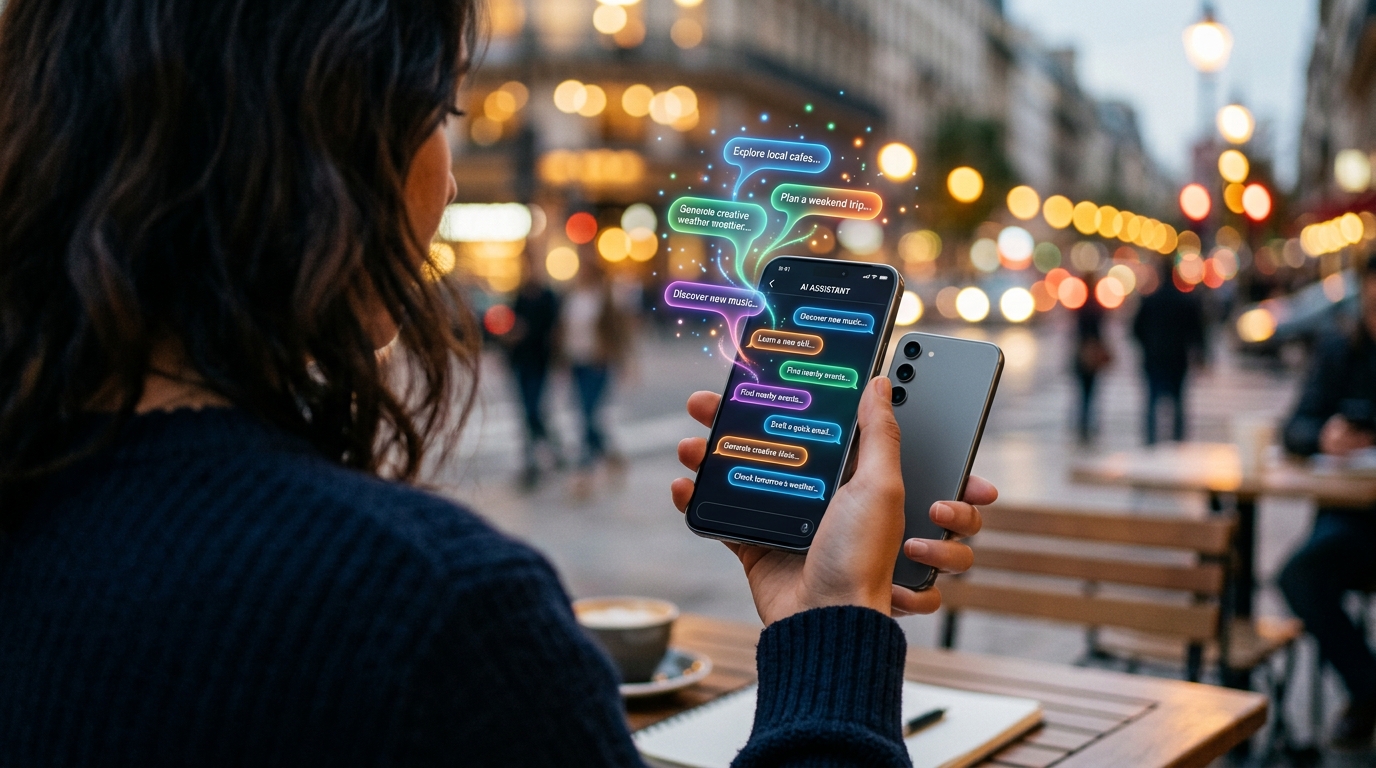
In my experience, this fatigue is precisely why the traditional swipe-and-type model is failing. The standard tinder dating app chat date workflow often falls apart right at the chat phase because both parties are exhausted by the repetitive nature of small talk. When dating apps for adults rely solely on visual matching, they leave the hardest part of human psychology—breaking the ice with a stranger—entirely up to exhausted users.
How does Blur’s NLP Chat Assistant actually work?
Our approach fundamentally shifts how users interact post-match. Instead of dropping you into an empty chat room, Blur's underlying architecture reads the intersecting data points between two matched profiles. If you both indicated a preference for casual coffee meetups and shared a mutual interest in indie music, the NLP engine synthesizes this context to offer three distinct, customizable opening prompts.
This is a stark departure from legacy models. Consider the market of best dating sites and apps from the past decade. Unlike the rigid, exhaustive compatibility quizzes popularized by platforms like e harmony, or the chaotic, unfiltered inbox environments seen on older sites like plenty of fish, Blur uses lightweight, real-time contextual analysis. You aren't forced to answer hundreds of questions, nor are you left to fend for yourself in a sea of generic messages. The AI simply analyzes the immediate intent and serves as a contextual bridge.
Who benefits most from contextual conversation prompts?
This feature is not for users who want to outsource their entire personality to a chatbot. If you are looking for an automated bot to run your dating life while you sleep, Blur’s system will frustrate you, as it requires human selection and editing. However, it is an absolute necessity for individuals who experience anxiety initiating conversations, as well as those seeking highly specific social dynamics.
We see this need strongly reflected in specialized communities. New research from SSRS (2026) highlights that 63% of LGBTQIA+ adults report having used online dating platforms, compared to 34% of non-LGBTQIA+ adults. In spaces where niche discovery is vital, the ability to quickly establish safe, relevant context is paramount. Platforms that cater to specific communities, such as blk dating or her, succeed because they offer immediate cultural relevance. Blur achieves this relevance dynamically across any demographic by using AI to surface the exact shared context that makes a conversation feel safe and interesting from the first syllable.
What makes this different from generic prompt features?
It is easy to argue that other apps already have conversation starters. Hinge dating, for example, forces users to answer static profile prompts. But static prompts quickly become their own kind of cliché. How many times have you seen the same generic answer about loving travel or tacos?

My counterargument to static prompts is that human interaction is dynamic, so our tools must be dynamic too. Blur’s NLP prompts change based on who you are matching with. The prompt you see for a potential sugar baby arrangement will be vastly different from the prompt you see for a casual peer friendship, even if both users matched with the same profile. Content strategist Ayşe Çelik recently explored this behavioral shift, noting that users are actively moving away from platforms that treat every connection identically.
How do you balance AI efficiency with authentic human connection?
The most common criticism I hear as an NLP developer is that integrating AI into dating makes the experience synthetic. I fundamentally disagree. What is truly synthetic is sending "Hey, how's your weekend?" to thirty different people.
Technology should safely manage the environment so the humans inside it can thrive. This philosophy isn't just limited to online dating. You see similar architectural approaches in family safety technology, where companies like ParentalPro Apps use AI-driven tools to assist users in managing digital environments safely without hovering over their every move. Whether you are managing digital wellness or trying to secure a Friday night date, the goal of the algorithm is to do the heavy lifting in the background.
By effectively removing the blank screen, Blur allows you to focus on the actual human on the other side of the connection. You choose the prompt, you edit it to match your voice, and you send it. The AI doesn't make the connection; it simply opens the door.