
Analyze Your 8 PM Screen Fatigue
Picture this scenario: It is 8 PM on a Tuesday. You have just finished a long day of work, you collapse onto the couch, and grab your phone. The autopilot routine begins. You spend five minutes tapping through Snapchat stories, check updates on Facebook, and reply to a quick text on Messenger. Then, you open your usual dating apps. Whether you fire up the tinder dating app, scroll through the hinge dating app, or browse grindr, the physical action is identical. You swipe left, swipe right, send a generic opener, and wait. By 9 PM, your thumb is tired, your screen time is up, and you feel no closer to a genuine human connection. This cognitive overload is exactly what we call social discovery fatigue.
In my six years studying digital literacy and online wellbeing—often focusing on how technology impacts our mental boundaries—I have observed that this slot-machine approach to relationships is failing modern users. Blur: AI Based Social Date App is an intelligent matchmaking platform built for young professionals, freelancers, and students that uses AI to analyze intent, effectively replacing the endless swipe mechanic with high-quality, curated social connections across platforms. If you are looking for instant, thoughtless validation or a broadcast audience, this platform is not for you. But if you want a tailored dating or friendship experience, intent-based architecture is the benchmark you should be looking for.
Review the 2026 Retention Data and Market Shifts
Recently, the online dating industry reached a fascinating milestone. As engagement models mature, raw swipe volume is no longer the key indicator of a successful app. Instead, user retention and session length are telling a different story.
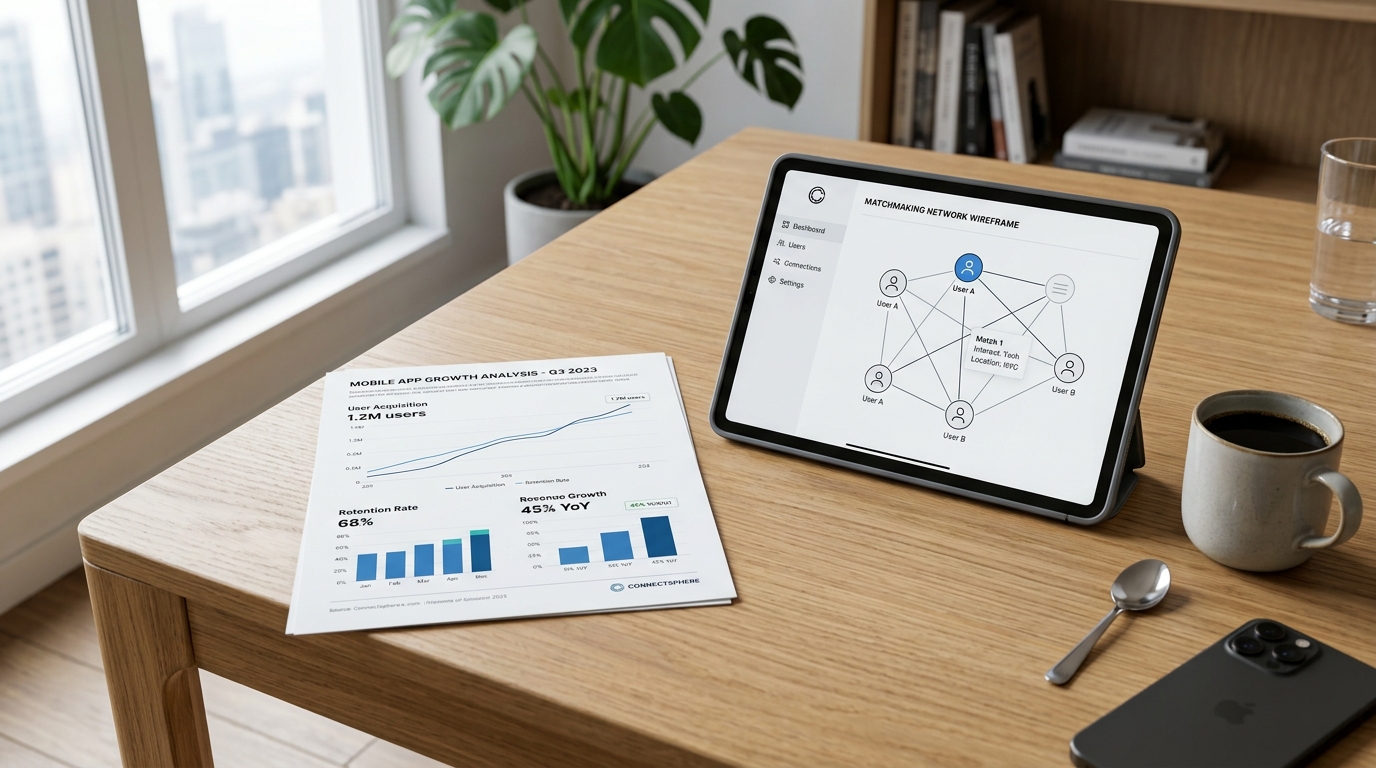
According to the highly respected Adjust "Mobile App Trends 2026" report, global app installs rose by 10% in 2025, and overall sessions increased by 7%. Furthermore, consumer spend jumped by 10.6% to reach a notable $167 billion. But the most revealing statistic for social apps involves privacy and personalization: App Tracking Transparency (ATT) opt-in rates among iOS users climbed from 35% to 38% in early 2026. Users are actively choosing to share their data, provided that the platform uses it to deliver a superior, personalized experience.
The report explicitly notes that artificial intelligence has transitioned from a marketing hype term into fundamental measurement architecture. It is no longer about simple campaign optimization; it is about deep data management. Users stay longer on apps that understand their behavior, which explains why smart matching algorithms are quietly making traditional online dating mechanics obsolete.
Compare Volume-Based Mechanics Against Intent Architecture
To understand this shift, we need to compare the old model with the new side-by-side.
The Volume Model (Traditional Swiping)
Historically, platforms like tinder, jackd, and even casual networks like yubo or hily relied heavily on velocity. The system encourages rapid visual judgments. You might see hundreds of profiles a day. The pro is obvious: high exposure. The con? Extreme user burnout, high ghosting rates, and a complete lack of context. People treat these platforms like a numbers game, where the user themselves becomes just another card in the deck.
The Intent Model (AI-Driven Matching)
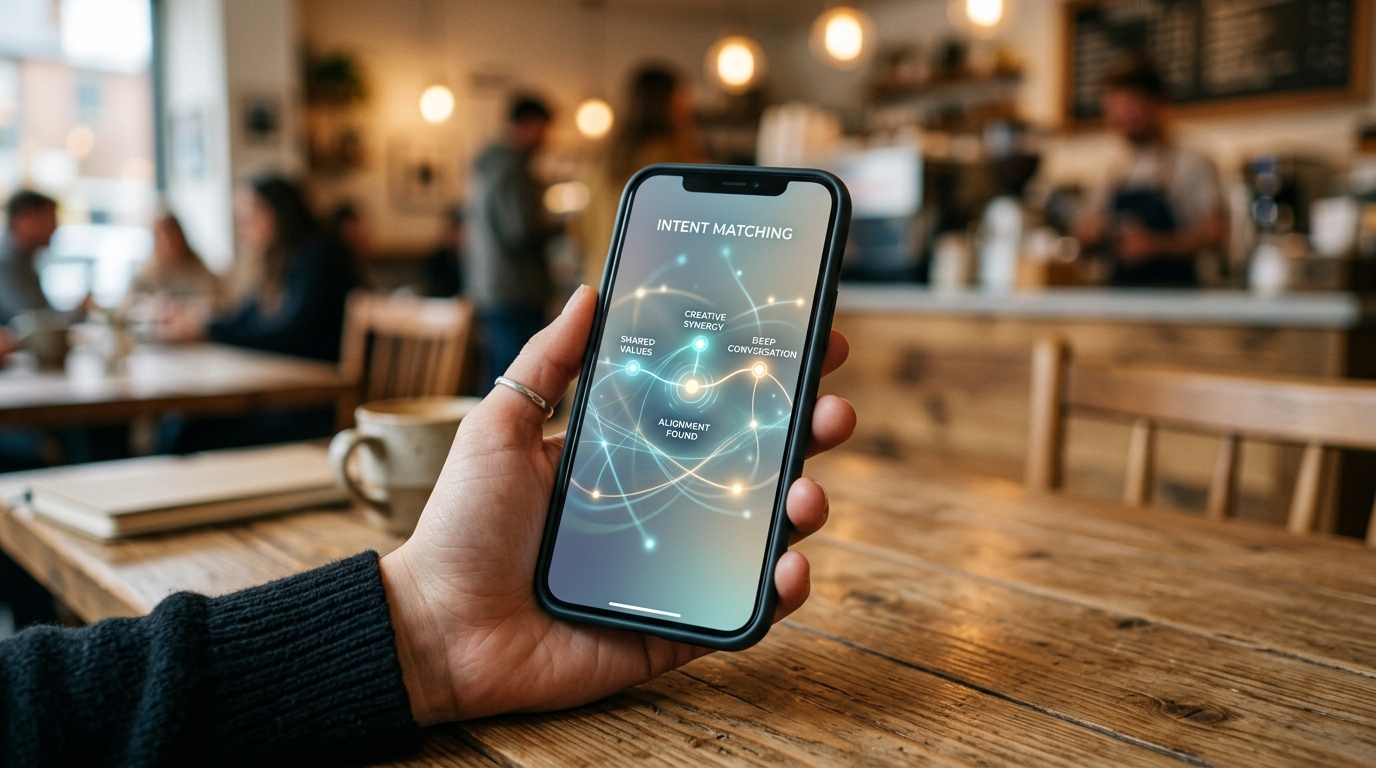
Conversely, an AI-driven approach—like the one utilized by Blur—focuses on the "why" before the "who." Whether a user is looking for a casual meetup, exploring niche dynamics like feeld or taimi offer, or seeking long-term partnerships, the underlying infrastructure categorizes that intent. The pro here is a dramatically higher conversation quality. You see fewer profiles, but the ones you do see align with your current social goals. The con is simply that it requires the user to be honest about what they actually want.
Understanding these behavioral patterns is crucial if you want to identify the new rules of dating apps as user behavior shifts.
Observe Global Search Intent as Proof of Change
This desire for smarter tools is visible across global search metrics. When researching dating sites—from free dating sites to the best dating sites for specific niches—users are becoming highly specific.
For example, in rapidly growing mobile markets, search behavior proves users want technical depth. Instead of just typing generic terms, users specifically search for an "AI-based app." They are tired of generic matching and actively look for dedicated "friendship" and "meeting" platforms. When developers advertise that their product goes beyond a simple "match" and explicitly state that it is an "AI application," they see immediate traction. People are actively seeking a smarter "Tinder-like" alternative because legacy dating algorithms feel stagnant.

Separate Transactional Media from Social Connections
Another major mistake users make is blending different categories of digital interaction. It is vital to separate your tools based on your end goal.
- Transactional Content: Platforms like OnlyFans or specific interactive experiences like joi serve entirely different purposes than social discovery. They are creator-to-consumer models.
- Broadcast Social: Tools like tagged, or broadcast networks are designed for wide, shallow visibility.
- Direct Social Discovery: True dating websites and modern apps are meant to transition a digital introduction into a real-world or deep interpersonal connection.
When you attempt to use a broadcast network for a highly specific dating intent, the friction causes frustration. For instance, some users look for a hinge dating style experience but mistakenly try to replicate it in broader, unmoderated chat rooms or misspell their searches as grinder instead of finding the precise app they need. Using the right tool for the specific intent is the first rule of digital wellbeing.
Prioritize Digital Hygiene and Selection Criteria
My professional background heavily involves internet safety. In family tech, we often discuss boundary setting. For families, tools like ParentalPro Apps help maintain digital safety and screen time limits. However, as adults navigating online romance and friendships, we are entirely responsible for our own digital hygiene.
When selecting your next platform, apply these three criteria:
- Algorithmic Transparency: Does the app explain why it shows you a specific profile, or is it just feeding you popular accounts? Look for apps that measure actual interaction, not just visual popularity.
- Pacing Constraints: Does the app allow you to swipe infinitely? An app that purposefully limits your daily intake via AI curation actually respects your time and mental bandwidth.
- Multi-Intent Support: Can the platform handle the fact that you might want a romantic partner today, but just a gym buddy next month? A rigid platform forces you into one box; an AI infrastructure adapts to your changing social needs.
By moving away from endless chat queues and blind swiping, we can finally return to the core purpose of these technologies: bringing compatible people together efficiently, so they can put their phones down and actually engage with one another.