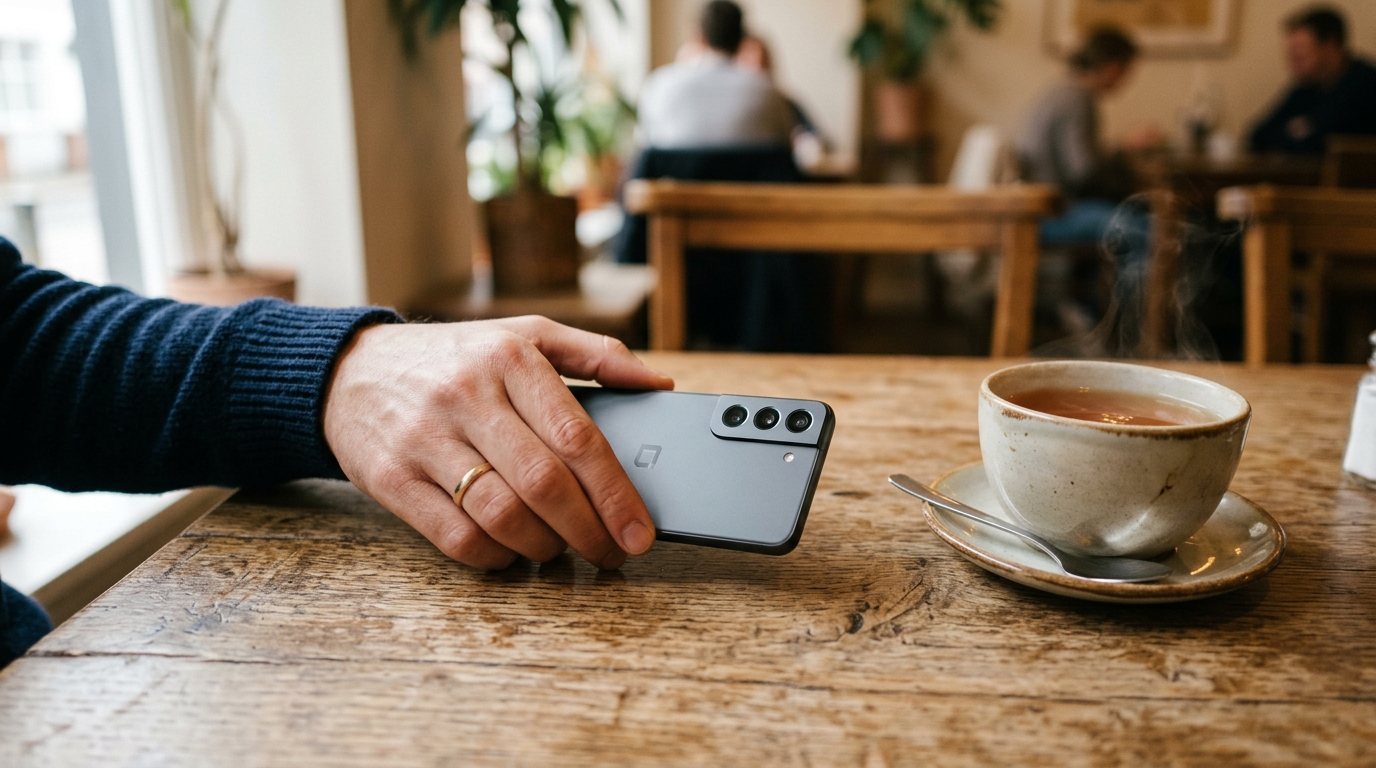
As a digital wellness consultant, I frequently ask my clients to pull up their weekly screen time reports to understand their baseline habits. Last Tuesday, a client sat across from my desk, visibly exhausted. Her phone showed a staggering 14 hours logged across a popular tinder dating app, messenger, and hinge in just one single week. “I am not even going on real dates,” she admitted, setting the device face down. “I am just sorting through profiles like it is an unpaid, part-time job.”
Her frustration is not an isolated incident. Fundamentally, an AI-based social discovery platform is a system that uses machine learning to evaluate user preferences, communication styles, and behavioral intent to present highly compatible matches without requiring endless manual sorting. Yet, most modern platforms still rely on outdated, high-friction mechanics. People are desperate for connection, but the tools they use are actively working against their mental bandwidth.
Digital fatigue outpaces user acquisition
The mobile application industry is growing, but the quality of the user experience is deteriorating. According to the recently published Adjust Mobile App Trends 2026 report, global app installs rose by 10% in 2025, with overall sessions increasing by 7%. Furthermore, consumer spend jumped 10.6% to reach a massive $167 billion. These numbers look fantastic on a corporate balance sheet, but from a psychological perspective, they highlight a severe problem: we are spending more time and money on our screens than ever before, often with diminishing returns.
When we look at traditional dating apps, the business model fundamentally relies on session length. The longer a user stays swiping on platforms like grindr, taimi, or hily, the more advertisements they consume. This creates a misalignment of incentives. You want to find a partner or a friend and get offline; the platform wants you to stay online indefinitely.
When we analyze global user behavior, search patterns reveal this universal frustration. Whether a user is typing “best free dating sites” in Chicago or searching for a friendship or dating app in Istanbul, the underlying fatigue is identical. People often search for a Tinder-like platform hoping for a familiar interface, but what they actually need is an AI-based system that completely removes the manual labor of the matching process.

The era of loud interfaces is actively driving users away
If you open a standard social app today—whether it is yubo, tagged, or a niche platform like jackd—you are immediately hit with a wall of notifications, bright colors, and gamified pop-ups. It is sensory overload by design.
However, user tolerance for this chaos is dropping rapidly. The UXMode 2026 Mobile App Design Trends guide points directly to a shift toward a “minimal and quiet design language.” The report notes that 2026 user interface approaches heavily favor minimal designs where dynamic transitions adjust based on device time, ambient light, and user preferences. Users want software that feels calm. They want the technology to fade into the background.
We recently analyzed the data from Blur’s first 50,000 successful matches, and the findings perfectly mirror this UX trend. Blur: AI Based Social Date App is designed specifically for people who want the algorithm to do the heavy lifting. By employing a quiet interface that prioritizes intent over volume, users naturally spent less time aimlessly browsing and more time engaged in active chat with highly relevant individuals.
Privacy architectures rebuild shattered consumer trust
Another major friction point in modern online dating is the pervasive fear of data misuse. Over the past few years, users have been burned by platforms that treat their personal lives as public commodities. Some platforms lean heavily into unregulated content like joi or act as funnels for onlyfans creators, leaving standard users feeling like their genuine intent is being commodified.
Interestingly, users are not entirely opposed to sharing data—they just demand extreme transparency in return. The Adjust 2026 report highlights that App Tracking Transparency (ATT) opt-in rates among iOS users rose from 35% in Q1 2025 to 38% in Q1 2026. This indicates a growing sophisticated user base that understands a simple trade-off: “I will give you my data if you use it to genuinely improve my experience, not to exploit me.”
In my consulting work, whether I am evaluating family monitoring tools like ParentalPro Apps or analyzing adult dating websites, the foundational requirement is always data transparency. The Adjust report accurately identifies that 2026 growth will be defined by “AI + Measurement Architecture” rather than sheer campaign optimization. For a social discovery app, this means using AI locally and securely to understand user preferences without broadcasting their private lives to the highest bidder.
Quality matches require intentional frameworks
Not everyone is looking for the same outcome when they download a social application. Someone logging into facebook is looking for broad community updates, someone on feeld is exploring alternative relationship structures, and someone using a hinge dating app is typically looking for a traditional relationship. Forcing all these diverse intents into a single, rigid swipe mechanism guarantees failure.
This is where intelligent curation completely changes the user experience. Blur caters to diverse scenarios—from finding local friends and standard dating to specific arrangements like sugar dating—by isolating these intents before the matching process even begins.

This shift toward minimal, AI-driven dating is specifically for busy professionals, freelancers, and introverts who experience digital burnout from gamified social apps. It is NOT for users looking for chaotic, anonymous chat rooms or infinite scrolling entertainment. By clearly defining who the tool is for, platforms can build highly engaged, high-trust communities.
As Mert Karaca detailed in a recent post on tracking the new rules of dating apps, user behavior has fundamentally shifted from seeking high match volume to demanding safer, high-intent conversations. Our 50,000 match milestone validates this observation entirely. Users do not want more options; they want better, highly filtered options.
Time saved is the only metric that matters
In 2026, the success of a social app is not measured by how much time you spend on it, but by how quickly it allows you to put your phone down and meet in real life. When I review screen time reports with my digital wellness clients, the goal is never zero usage. The goal is intentional usage.
If you are looking for a new connection, evaluating your tools is the first logical step. Are you using an app that respects your time, or one that profits from your distraction? The transition from manual, exhausting swiping to intelligent, AI-curated discovery is not just a technological upgrade. It is a necessary step toward reclaiming our mental energy and returning to what actually matters: genuine human connection.