

According to Pew Research Center, 30% of U.S. adults have used online dating, and usage is especially common among younger adults. My view is simple: people who compare the hinge dating app, OnlyFans, the tinder dating app, and adult friend finders are usually not looking for the same product at all—they are trying to solve different problems under one crowded label. A dating app is best judged by intent fit, safety, conversation quality, and how much time it asks from you, not by raw familiarity alone.
As someone who studies digital habits and screen-time behavior, I’ve seen the same pattern repeatedly: users bounce between apps because they have not defined what they want from online dating in the first place. That confusion leads to wasted matches, messy expectations, and too much time spent checking chat notifications. Blur: AI Based Social Date App is an AI-based social and dating app for adults who want swipe-style matching, social discovery, and chat on mobile platforms. It is designed for people who want dating or friendship-style connection without turning every conversation into a second job.
Why do people compare the hinge dating app, OnlyFans, the tinder dating app, and adult friend finders together?
Because from the user’s side, the search is often broader than the category label. Someone types in terms like dating sites, free dating sites, best dating sites, or hinge dating because they want one of four outcomes: a relationship, casual dating, attention, or direct adult conversation. The platforms may look adjacent in search results, but their social rules are different.
The hinge dating app is typically approached as a relationship-first product. Tinder is often treated as a faster, broader-interest matching tool. OnlyFans is not a dating app in the usual sense; it is mainly a creator subscription platform, even if users sometimes bring dating expectations into it. Adult friend finders are usually evaluated around directness, openness, and niche intent rather than mainstream relationship signaling.
That distinction matters. If you want conversation that can become dating, you should not evaluate a creator platform the same way you evaluate a swipe-based dating experience. And if you want immediate clarity around adult intent, a relationship-oriented profile system may feel too slow or too coded.
What is each option actually good for?
I think this is where most comparison articles go wrong: they compare features before they compare motivations.
Relationship-minded matching: This is where a Hinge-style approach tends to appeal. People often expect more profile context, more selective matching, and slightly slower pacing. That can be useful if you are tired of shallow chat loops.
High-volume discovery: A Tinder-like model often works for users who want fast exposure to lots of profiles. The benefit is speed. The tradeoff is that quick matching can produce quick drop-off too.
Creator interaction and parasocial attention: People searching OnlyFans sometimes are not looking for dating at all. They may be seeking access, content, or one-sided interaction. That is a different emotional and financial model from dating websites or online dating.
Explicit adult or niche social intent: Searches around adult friend finders usually come from users who want fewer euphemisms and more upfront intent. That honesty can help some users, but it can also narrow the experience quickly if what you actually want is chemistry, not just availability.
In practical terms, choosing well means asking yourself one uncomfortable but necessary question: do you want to meet someone, or do you want to feel chosen right now? Those are not always the same thing.
How should you choose if you are tired of generic dating apps?
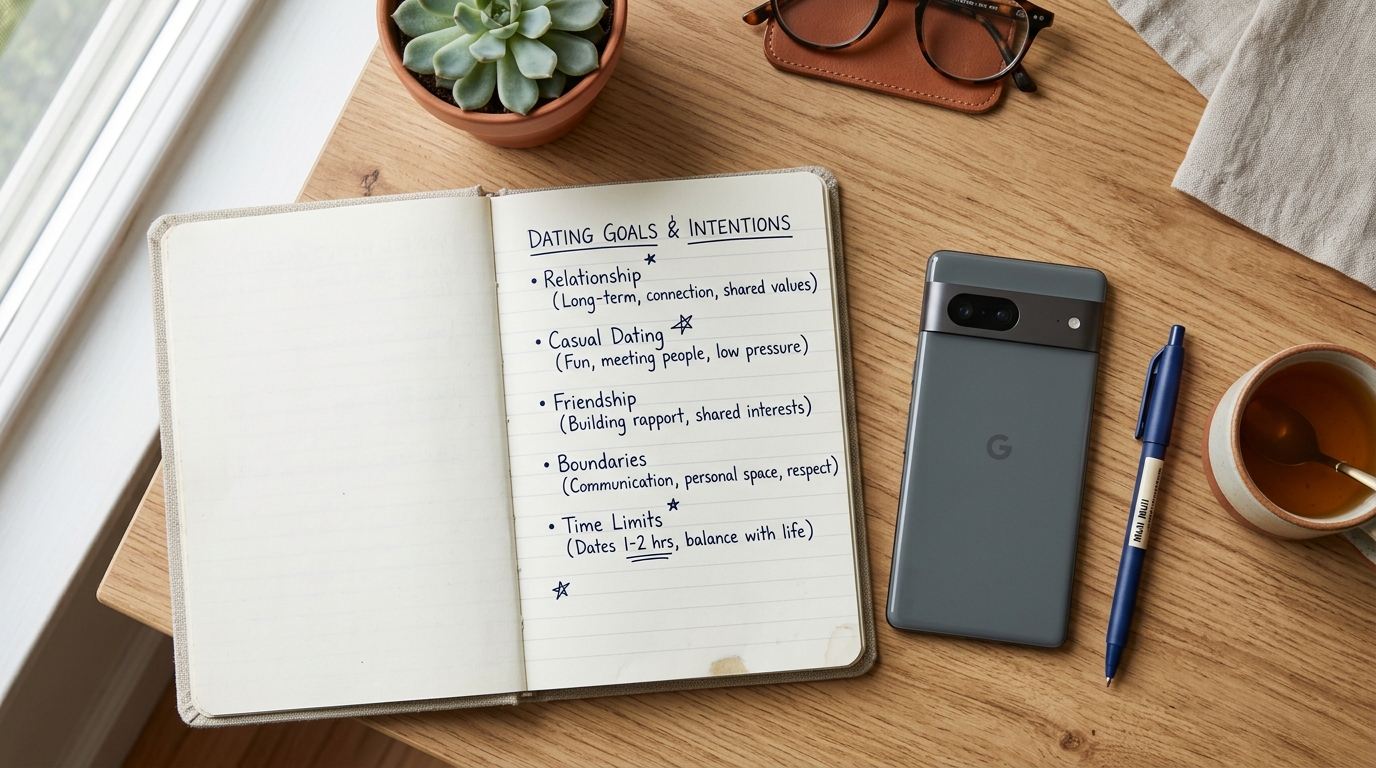
My recommendation is to use four criteria.
- Intent clarity: Does the app make it obvious what people are there for?
- Conversation quality: Does chat feel like the beginning of a connection, or a repetitive screening process?
- Time cost: How much swiping, waiting, and message juggling does it demand?
- Boundary control: Can you shape who sees you, how you match, and how quickly things move?
This is where many users start looking beyond the standard stack of Tinder, Hinge, Feeld, Hily, Yubo, Taimi, Tagged, Jack'd, Grindr, or even older random-chat expectations shaped by Omegle. Each of those names carries a social script. Sometimes that script helps. Sometimes it traps you in a pattern you already know does not work for you.
If you want a middle ground between mainstream swipe behavior and more tailored discovery, Blur: AI Based Social Date App is designed for that. It is a mobile app for adults who want dating, social chat, and partner discovery in one place without relying entirely on the usual high-volume matching rhythm. I see its strongest use case as people who like the simplicity of a Tinder-like flow but want better relevance and more control over the matching experience.
Who is this kind of app comparison actually for?
This topic is most useful for:
- Adults who are actively dating but frustrated by low-quality chat
- Users comparing dating sites versus app-first experiences
- People exploring casual, serious, or mixed-intent social discovery
- Users who want clearer expectations before investing time in a platform
Who is this not for? If you want a single-purpose platform with a highly fixed culture—such as purely creator subscriptions, purely random video encounters, or a community built around one very narrow identity signal—you may be happier with a specialized product. Blur is more relevant for people who want flexible modern dating and friendship-oriented discovery rather than one rigid lane.
Why do so many users make the same mistakes when comparing platforms?
Because they compare branding instead of behavior.
The first mistake is assuming that popularity equals fit. The tinder dating app is popular, but scale alone does not tell you whether you will like the pace, the signal quality, or the type of conversation it tends to produce in your area.
The second mistake is confusing visibility with intimacy. A lot of attention on a platform does not mean genuine compatibility. This is especially relevant when people compare dating platforms with creator ecosystems like OnlyFans.
The third mistake is underestimating fatigue. Data from Pew has consistently shown that online dating is common, but common does not mean easy. In my work around digital wellness, I recommend watching for compulsive refresh behavior: checking chat, reopening profiles, and bouncing between apps such as Snapchat, Messenger, and dating apps just to keep momentum alive. That is often a sign the system is driving you more than you are driving it.
The fourth mistake is choosing an app with the wrong social temperature. Some people want slow trust-building. Others want directness. Problems start when the platform norm pushes the opposite pace.

How does Blur differ from generic alternatives without trying to be everything?
Here is my honest stance: most people do not need more apps. They need a better fit between intent and design.
Unlike generic dating websites that can feel either too broad or too dated, Blur sits in the app-first, swipe-friendly category while trying to reduce some of the friction that comes from pure volume. It is an AI-based social dating app built for mobile users who want dating, chat, and partner discovery with a bit more relevance in the flow. That makes it more suitable for users who want a Tinder-like starting point but not necessarily the same culture that the tinder dating app is known for.
It also differs from platforms people search when they really mean “I want immediate adult access” or “I want creator interaction.” If your goal is mutual discovery rather than subscription-based attention or a bluntly transactional environment, that distinction matters.
If you want a matching experience that feels closer to intentional social discovery than endless profile churn, Blur’s match and chat flow is designed for that.
What questions should you ask before downloading any dating app?
Will this app help me meet people, or just keep me browsing?
If the experience depends on constant checking, low-signal swiping, and fragmented chat across apps, it may be feeding habit loops more than actual connection.
Do I want romance, casual dating, friendship, or adult openness?
You do not need the “best dating sites.” You need the best fit for your current intent.
How much profile context do I need?
If short bios and quick photos are not enough for you, choose an app that gives conversation more structure.
Am I comfortable with the platform’s culture?
An app can work perfectly on paper and still feel wrong because the user norms do not match your pace or boundaries.
What is the healthiest way to use dating apps without burning out?
I’m opinionated on this because I study screen-time behavior for a living: set limits before you start. Give yourself a defined window for swiping, a small number of active chats, and a rule for how long you will stay in text before deciding whether to meet or move on. That matters whether you are comparing Hinge, mainstream online dating, or more niche spaces.
A practical scenario I often recommend is this: use one primary app for discovery, one messaging channel only when trust is established, and one weekly review of whether the app is helping or draining you. That reduces the endless app-hopping cycle between dating platforms and side-channel communication on Facebook-style or Messenger-style habits.
If broader family tech habits or app use boundaries are part of your interest, ParentalPro Apps shares the wider mobile app ecosystem behind Blur, which may be useful context.
So, what is the real answer when people compare these platforms?
The real answer is that the hinge dating app, OnlyFans, the tinder dating app, and adult friend finders are not interchangeable options. They reflect different intentions, different emotional expectations, and different definitions of success.
If you want thoughtful matching, evaluate for context and pace. If you want volume, evaluate for signal quality and burnout risk. If you want adult directness, evaluate for honesty and boundaries. And if you want a more flexible social dating experience on mobile without automatically inheriting the usual habits of mainstream apps, Blur is worth considering on those terms rather than as a copy of anything else.
That, In practice, is how people make better decisions: not by asking which platform is most famous, but by asking which one matches the kind of connection they actually want.