
According to the recent Adjust "Mobile App Trends 2026" report, global app installs grew by 10% and overall sessions increased by 7% last year, pushing consumer mobile spending to a massive $167 billion. Yet, despite this surge in digital engagement, finding a genuine connection online often feels more frustrating than ever. The most effective way to handle modern online dating is to abandon chaotic, high-volume swipe platforms and choose AI-based systems that align with your specific relationship intent. Instead of treating dating websites like slot machines, successful users are shifting to platforms built on behavioral architecture that prioritize digital wellness and relevant matchmaking.
As a technology consultant studying digital wellness and screen time management, my stance on the current state of social discovery is clear: the era of generic swiping is doing more harm than good. Our collective attention spans are shrinking, and the anxiety associated with maintaining a presence across multiple free dating sites is measurable. We are spending more time glued to our screens, but the quality of our interactions is plummeting. It is time to rethink how we use these tools.
Understand the Data Behind Screen Time and Social Fatigue
The numbers from the 2026 Adjust report reveal a fascinating contradiction in user behavior. While people are spending more time and money on apps, their tolerance for poor privacy and irrelevant content is dropping. For instance, iOS user opt-in rates for app tracking (ATT) rose from 35% in early 2025 to 38% in 2026. This indicates that while users are highly protective of their data, they are increasingly willing to share it if they believe it will result in a better, more personalized experience.
In the context of dating apps, this is a critical observation. Users are exhausted by the friction of managing connections across a fragmented ecosystem. Moving a conversation from a tinder dating app match over to snapchat, checking updates on facebook, and then managing daily chats on messenger creates severe cognitive overload. This fragmented communication style leads to ghosting, burnout, and a general sense of dissatisfaction with online dating.

Categorize Your Search Intent Before Downloading
One of the biggest mistakes I observe in my consulting practice is users downloading the most heavily advertised app without evaluating their actual social goals. The market of the best dating sites and social discovery tools is highly segmented. Treating them as interchangeable is a recipe for frustration.
If you are exploring specific lifestyle preferences or non-traditional relationship structures, generic platforms will likely leave you disappointed. Apps like feeld or taimi cater to distinct communities and specific expressions of identity. Similarly, niche platforms like jackd, hily, or grinder serve specific demographics with tailored features. Using a general-purpose tool when you have a specific lifestyle requirement forces you to sift through thousands of irrelevant profiles, skyrocketing your daily screen time.
On the other hand, younger demographics often gravitate toward live-streaming and rapid social interactions found on platforms like yubo or tagged. These are essentially gamified chat environments rather than structured matchmaking services. As Elif Şahin covered in a recent post, assuming all these platforms operate with the same goal is one of the most pervasive myths in digital social behavior.
Avoid These Critical Online Dating Mistakes
To build healthier tech habits around social discovery, you must actively avoid the "everything app" trap. People often confuse the intention of content platforms with relationship platforms. For example, applying the passive consumption habits of onlyfans or isolated joi communities to reciprocal social dating will completely misalign your expectations. You cannot approach a platform designed for mutual connection with a passive, consumer-only mindset.
Another major mistake is relying on outdated, high-volume swiping. Whether it is hinge dating, a traditional tinder setup, or any other volume-based system, the underlying mechanic is designed to keep you on the app, not necessarily to get you off the app with a successful match. The dopamine loop of the swipe is identical to a casino game. If you find yourself mindlessly swiping while watching television, you have stopped looking for a partner and started playing a mobile game.
This is where digital wellness tools become essential. In my work helping families and individuals manage screen time, I often recommend using dedicated tracking tools. For instance, you can utilize screen time monitors or tools from ParentalPro Apps to audit exactly how many hours a week you are dedicating to mindless scrolling. The results are usually a massive wake-up call.
Choose Platforms Powered by Functional AI Architecture
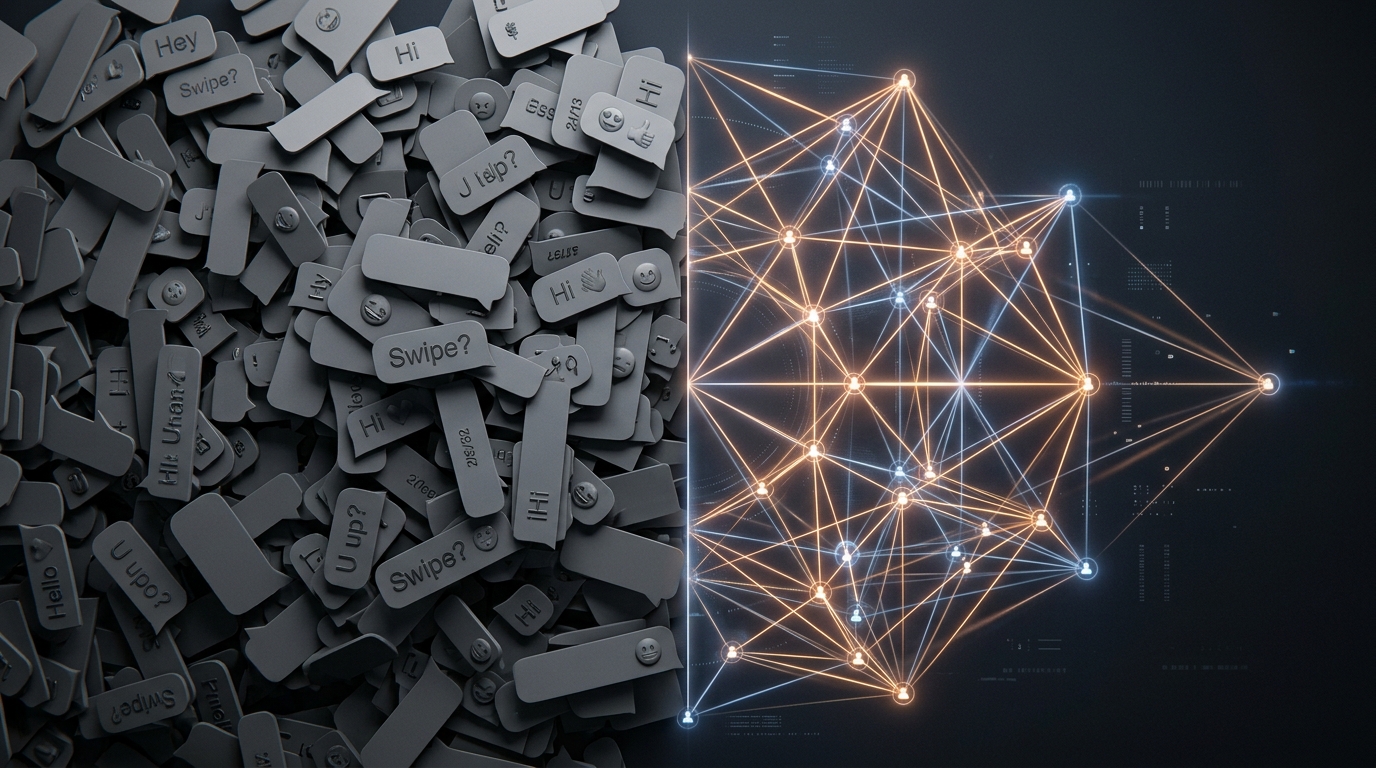
The 2026 Adjust report makes a definitive statement regarding the future of mobile platforms: growth is no longer driven by basic campaign optimization, but by deep, AI-supported analysis and measurement architecture. AI has transitioned from a marketing buzzword to the foundational infrastructure of user segmentation.
This technological shift is precisely what separates legacy dating websites from modern solutions. Blur: AI Based Social Date App is a prime example of this transition. Blur is an AI-driven social and dating application available on mobile platforms that facilitates intentional connections—ranging from traditional dating to specific social arrangements—by analyzing user interaction patterns rather than relying on manual swiping.
When selecting a platform in 2026, apply this decision framework:
- Intent Verification: Does the app require users to state clear intentions, or does it encourage ambiguous "hanging out"?
- Algorithmic Depth: Is the app simply showing you people nearby, or is it learning from your communication style and preferences to suggest highly compatible matches?
- Time Efficiency: Can you log in, review a few highly curated matches, and log out within ten minutes?
Blur is designed specifically for professionals, freelancers, and digital natives who value their time and mental energy. By processing complex matching criteria in the background, it reduces the manual labor of dating. Who is this NOT for? It is not for users seeking anonymous, unverified spam accounts or those who enjoy the gamified, endless swiping mechanics of legacy platforms.
Establish Strict Digital Wellness Boundaries
Technology should facilitate real-world connections, not replace them. If you want a more fulfilling social life, Blur's intent-driven matchmaking is designed for that exact outcome, but it still requires discipline on your end. Limit your app usage to two specific, fifteen-minute windows per day. Turn off non-essential notifications, and move promising conversations off the platform and into real-world settings or direct phone calls as quickly as safely possible.
The transition from volume to value is the defining characteristic of successful digital interactions in 2026. Stop fighting against algorithms designed to consume your attention, and start choosing platforms engineered to respect your time.