

Choose a social app by its current features, privacy controls and the kind of interaction you want. General app-market growth does not establish conversation quality, compatibility or a particular matching architecture.
We are moving away from the era of installing five different free dating sites and mindlessly flipping through profiles. Modern users want tangible results from their social discovery efforts. To achieve that, you need a systematic approach to how you select and use these platforms. Here is a practical, step-by-step walkthrough to optimizing your matchmaking portfolio this year.
Intentional matching requires a complete portfolio audit.
Step 1: Audit and categorize your current application stack.
Most people download several dating apps and treat them identically, using the same profile pictures and the same bio across all of them. This is a technical misstep. The underlying algorithm of a platform dictates its user base and conversation style. If you are using platforms optimized purely for rapid visual sorting, you will inevitably end up with rapid, shallow interactions.
Take an inventory of what is currently on your phone. Are you relying heavily on legacy volume-based platforms like tinder or more casual proximity tools like down? If you are looking for specific communities or aesthetics, you should be categorizing your apps by niche. For instance, younger users focusing on live video and friendship often lean toward yubo or hily. Those in the LGBTQ+ community might maintain profiles on her, scruff, or jackd for highly tailored social spaces. Users exploring non-monogamy might filter their time through feeld or 3fun, while those seeking exclusive networking might wait on a raya approval.
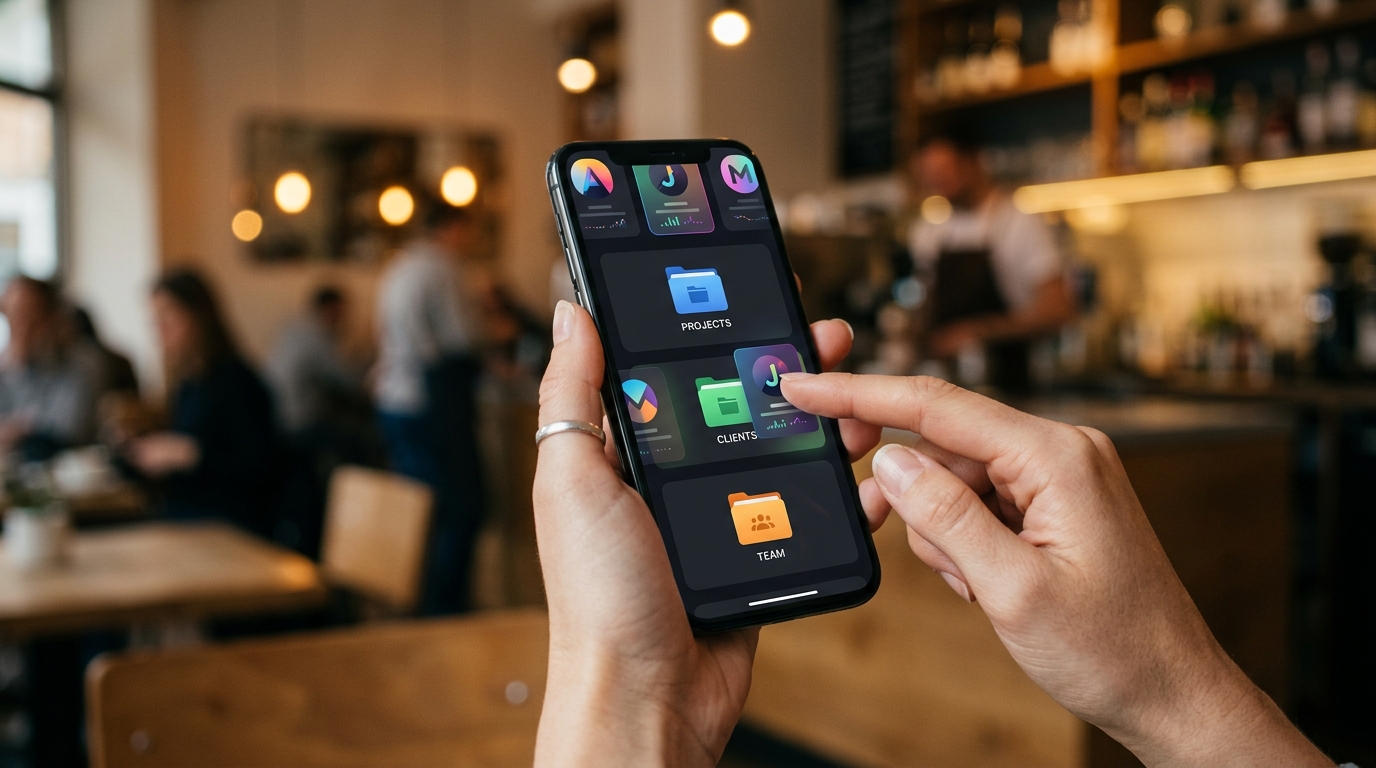
You need to stop treating these as interchangeable dating websites and start treating them as distinct environments. Delete the apps that do not align with your specific relationship intent.
Choose a platform by its disclosed features and the conversations you want to have.
Step 2: Choose platforms based on conversational mechanics, not just user counts.
Evaluate the current product features, profile controls and privacy policy rather than assuming a particular matching algorithm. A matching score cannot guarantee conversation quality or compatibility.
Blur is an AI-based social app with avatar and conversation features. This guide does not establish a specific NLP matching architecture or guarantee any relationship outcome; check the current app description and controls before using it.
- Target User Profile: This app is built specifically for busy professionals, freelancers, and selective daters who want an intelligent system to do the heavy lifting of finding conversational flow.
- Who is this NOT for?: Blur is not for users who want to passively collect a massive queue of matches for ego validation, nor is it for people who refuse to engage in actual text-based conversation before meeting.
When selecting the best dating sites, look for features that actively assist in breaking the ice rather than just leaving two strangers in a blank chat room.
Data-light app behavior is reducing digital burnout.
Step 3: Adopt minimal digital habits to reduce cognitive load.
Check the app's actual data use, notifications and controls on your own device. A broad market trend does not establish how a particular social app behaves.
You can apply this "data-light" philosophy to your own social discovery. Adopting intentional dating app selection is the first barrier against app burnout. Instead of reacting to every single match notification in real-time, batch your engagement. Set aside fifteen minutes in the evening to review profiles, respond to messages, and update your preferences. Treating the app as an asynchronous communication tool rather than a real-time distraction dramatically improves the quality of your replies.
Tracking transparency is non-negotiable for modern users.
Step 4: Verify the privacy frameworks of your chosen networks.

Social profiles and conversations can contain sensitive information. Review the current privacy policy, permissions and account-deletion controls before sharing personal details.
Review the platform's privacy policy, retention information, permissions and account-deletion options. Use clear blocking and reporting controls, and confirm any encryption or data-sharing claim in the current product documentation rather than assuming it from the category.
Conversational momentum matters more than initial attraction.
Step 5: Transition from passive swiping to active intent testing.
The final step in optimizing your mobile dating strategy is changing how you evaluate a match. Most users look at photos, read a brief bio, and make a binary yes/no decision. But visual attraction does not equal conversational compatibility.
Instead of hoarding hundreds of silent matches, implement a strict 48-hour engagement rule. If a new connection is made, one of you must initiate a substantive conversation within two days. If the other person responds with one-word answers or fails to match your conversational effort, unmatch them. By aggressively curating your active inbox, you signal to the app's algorithm that you prioritize high-intent users over passive scrollers. Whether you are exploring highly specific communities on taimi or looking for broader connections, protecting your time ensures you only invest energy into people genuinely interested in getting to know you.
The tools we use to find partners are evolving. By auditing your platforms, prioritizing AI-assisted chat architectures, embracing data-light habits, and protecting your privacy, you transform a frustrating digital chore into a highly effective social discovery process.